Hype no longer builds blue-chip NFTs.
In 2026, collections succeed because they combine utility, IP clarity, community mechanics, and secure smart contract engineering. The era of “mint and flip” has matured into a more structured digital asset economy.
If you want to launch NFT collection 2026 successfully, you must architect value from day one — not just art.
Key Takeaways
This guide explains how to:
- Create generative NFT collections
- Write and deploy secure minting smart contracts
- Design utility NFTs 2026 with real-world integration
- Implement fractional NFTs and shared ownership models
- Avoid NFT scams 2026 and IP risks
- Build blue-chip NFT positioning beyond hype
I. The NFT Market in 2026
After the 2022–23 contraction, the NFT ecosystem shifted toward maturity and long-term value. Crypto.News reports that while NFT trading volumes fell during the crypto slowdown, structured and utility-driven projects are now leading recovery cycles.
Cointelegraph highlights that CryptoPunks’ floor prices rebounded during market recovery phases, showing blue-chip NFT resilience and investor confidence. Meanwhile, Le Monde reports that AI + NFT convergence is reshaping digital art creation and ownership models, signalling long-term value for enterprise-ready NFT initiatives.
The takeaway: premium NFT collections must now be technically sound, legally structured, and strategically positioned.
II. Challenge: Why Most NFT Projects Fail
Despite innovation, most collections fail due to:
- Weak smart contract security
- No clear NFT roadmap 2026
- No long-term utility
- Poor liquidity strategy
- IP disputes and NFT legal issues IP
- Exposure to NFT scams 2026 and cybersquatting
Success now requires technical maturity + governance clarity + community economics.
III. Strategic Framework: How to Create NFTs Like CryptoPunks in 2026
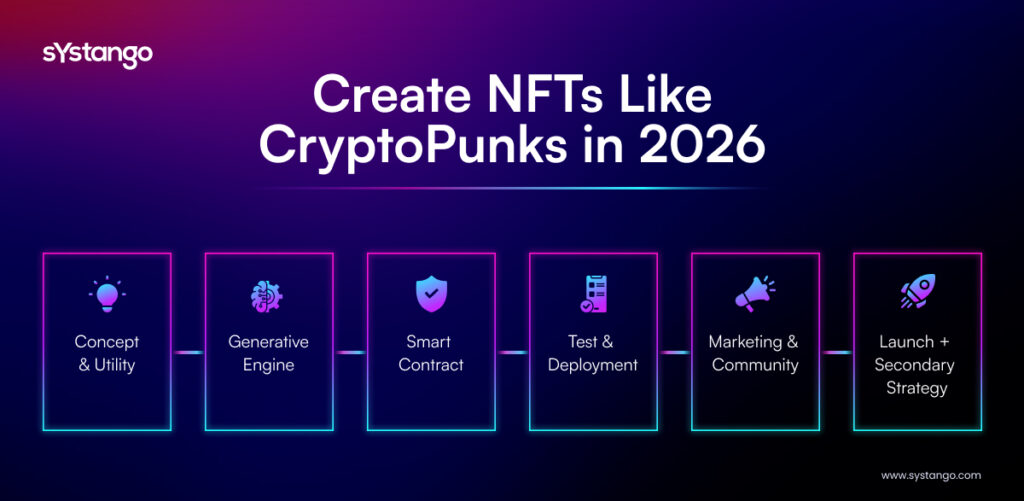
1. Concept & Utility Architecture
Define:
- Pure art vs utility NFTs 2026
- Staking or token-gated access
- Dynamic NFTs that evolve
- Physical asset tie-ins (phygital NFTs)
- Fractional NFTs for accessibility
Start with rarity logic and metadata design — your long-term asset backbone.
2. Build the Generative Engine
To create generative NFT collections:
- Use frameworks (HashLips, ArtEngine)
- Or build a custom pipeline (Python/JS)
- Integrate AI-generated NFTs 2026 features
- Store metadata via IPFS or Arweave
- Plan dynamic triggers if NFTs evolve
AI + NFT synergy is increasingly central to premium collections.
3. Secure Minting Smart Contract
Your minting smart contract tutorial must include:
- ERC-721 or ERC-1155 standard
- Gas optimisation techniques
- Royalty logic
- Reentrancy protection
- Input validation
Consider Ethereum, Solana NFTs 2026, or Layer 2 NFT minting depending on cost sensitivity.
Always audit before deployment.
4. Test & Deployment
- Deploy on testnet
- Validate metadata integrity
- Simulate gas performance
- Community beta testing
5. Marketing & Community
Blue-chip NFTs 2026 rely on:
- Transparent roadmap
- Discord & X engagement
- Whitelists & rarity drops
- Clear team visibility (E-E-A-T principle)
6. Launch + Secondary Strategy
- Marketplace listing (OpenSea, others)
- Floor tracking
- Holder analytics
- Royalty optimisation
- Airdrops & burns
Track CryptoPunks 2026 sale patterns and floor metrics to benchmark.
IV. Advanced NFT Extensions
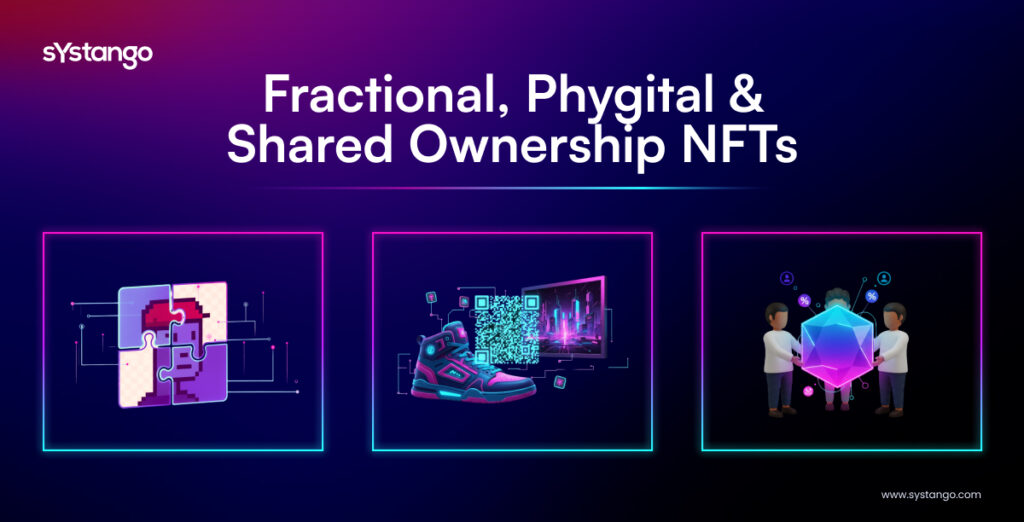
- Fractional NFTs
- Shared ownership of NFT
- Phygital NFTs
- Dynamic NFTs that evolve
These increase accessibility and liquidity.
V. Real-World Case Study Proof
Case 1: AI + DeFi Infrastructure
Systango engineered a ZK-verified analytics infrastructure for a Web3 trading platform, resulting in:
- 35% increase in user confidence & trading activity
- 50% faster user onboarding
- 2.5X scalability improvement
- 30% boost in user retention
This demonstrates scalable blockchain engineering — essential for NFT ecosystems.
Case 2: IP-Compliant NFT Licensing Platform
Systango supported NFT-based IP monetisation infrastructure delivering:
- 285,000 NFTs minted
- 226,000 registered users
- 600,000 lifetime sign-ups
- US$1.5M gross revenue
This validates monetisation and compliance-driven NFT architecture.
VI. Business Impact & ROI
Launching NFTs strategically drives:
- Revenue from primary mint
- Royalty income
- Licensing models
- Secondary trading liquidity
- Brand positioning in Web3
Fractional NFTs expand participation. Utility NFTs 2026 drive retention.
VII. Implementation Roadmap
Phase 1: Strategy & Architecture (Weeks 1–4)
Concept validation, IP review, utility design.
Phase 2: Development (Weeks 4–10)
Generative engine + smart contract coding + audit.
Phase 3: Testing & Compliance (Weeks 10–14)
Testnet deployment + legal review.
Phase 4: Launch & Market Strategy (Weeks 14–18)
Mint execution + liquidity plan.
This roadmap outlines a representative enterprise deployment sequence, with timelines adjusted based on project requirements.
VIII. Risk of Inaction
Delay in structured NFT strategy results in:
- Losing first-mover Web3 branding advantage
- Exposure to IP litigation
- Technical vulnerabilities
- Liquidity failure post-launch
In 2026, poorly engineered NFTs collapse fast.
IX. Future Outlook (2026–2027)
Expect:
- RWA NFT mainstream adoption
- Regulatory clarity tightening
- Cross-chain NFT interoperability
- AI-generated NFTs becoming standard
- Analytics-driven floor optimisation
X. Strategic Takeaways
- Utility defines premium NFTs in 2026
- Smart contract audits are mandatory
- Fractionalisation expands liquidity
- IP compliance drives longevity
- Community economics determine floor stability
Strategic Summary
In 2026, creating NFTs like CryptoPunks requires more than pixel art. Projects must integrate generative engines, audited smart contracts, utility-driven mechanics, and compliance-ready IP frameworks.
Market maturity demands secure architecture, transparency, and sustainable roadmaps. Blue-chip NFTs 2026 are defined by liquidity, holder retention, real-world integrations, and data-driven launch strategies.
Systango supports NFT development services across generative architecture, smart contract security, IP-compliant minting, and scalable blockchain ecosystems — enabling brands and creators to build lasting digital asset platforms.
Conclusion
To launch NFT collection 2026 successfully, you must combine creative direction, blockchain engineering, compliance discipline, and liquidity strategy.
NFT development today is infrastructure-driven, not art-driven.
Systango delivers enterprise-grade NFT development services — from generative engines and secure minting contracts to IP-compliant monetisation platforms — enabling sustainable digital asset ecosystems.
Executive Summary
In 2026, NFT success depends on architecture, not aesthetics. Creating NFTs like CryptoPunks requires generative engines, audited minting smart contracts, compliance-ready IP frameworks, and liquidity strategy. Fractional NFTs, phygital integrations, and AI-generated NFTs are redefining blue-chip positioning. Systango case studies demonstrate scalable Web3 engineering and IP-based NFT monetisation delivering measurable revenue and adoption. Structured execution ensures credibility, security, and long-term ecosystem growth.