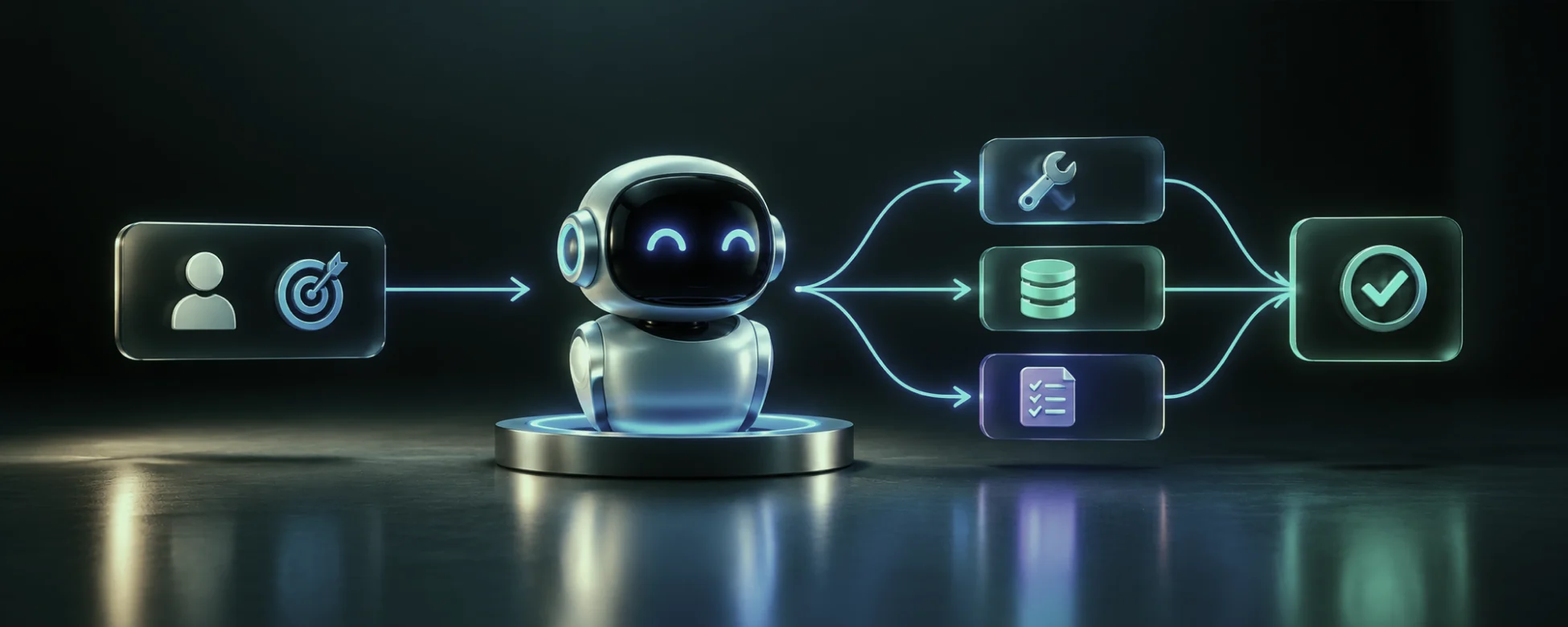

In an enterprise setting, an AI agent is a system that can take autonomous, multi-step actions, calling tools, querying data sources, executing tasks, to accomplish a goal, rather than simply responding to a single prompt with a single answer. Unlike a chatbot that returns text, an agent can act on an organization's systems directly.
Why It Matters
The shift from AI that answers questions to AI that takes actions changes the risk calculus significantly. A chatbot that gives bad advice is a quality problem; an agent that takes an unauthorized action, sending an email, modifying a record, executing a transaction, is an operational incident. Many organizations piloting agentic AI focus on what the agent can accomplish without fully mapping what it can access or do if something goes wrong, which is a reasonable oversight during early experimentation but becomes a real liability as agents move into production workflows with real data and real consequences.
How It Relates to AI Governance
Governing AI agents requires extending policy evaluation beyond prompts and outputs to the actions an agent takes and the systems it touches while completing a task. This means an organization needs to know, for any agent action, whether it was authorized, what data was involved, and whether it can be detected and stopped in real time if it deviates from expected boundaries, not just reviewed after the fact.